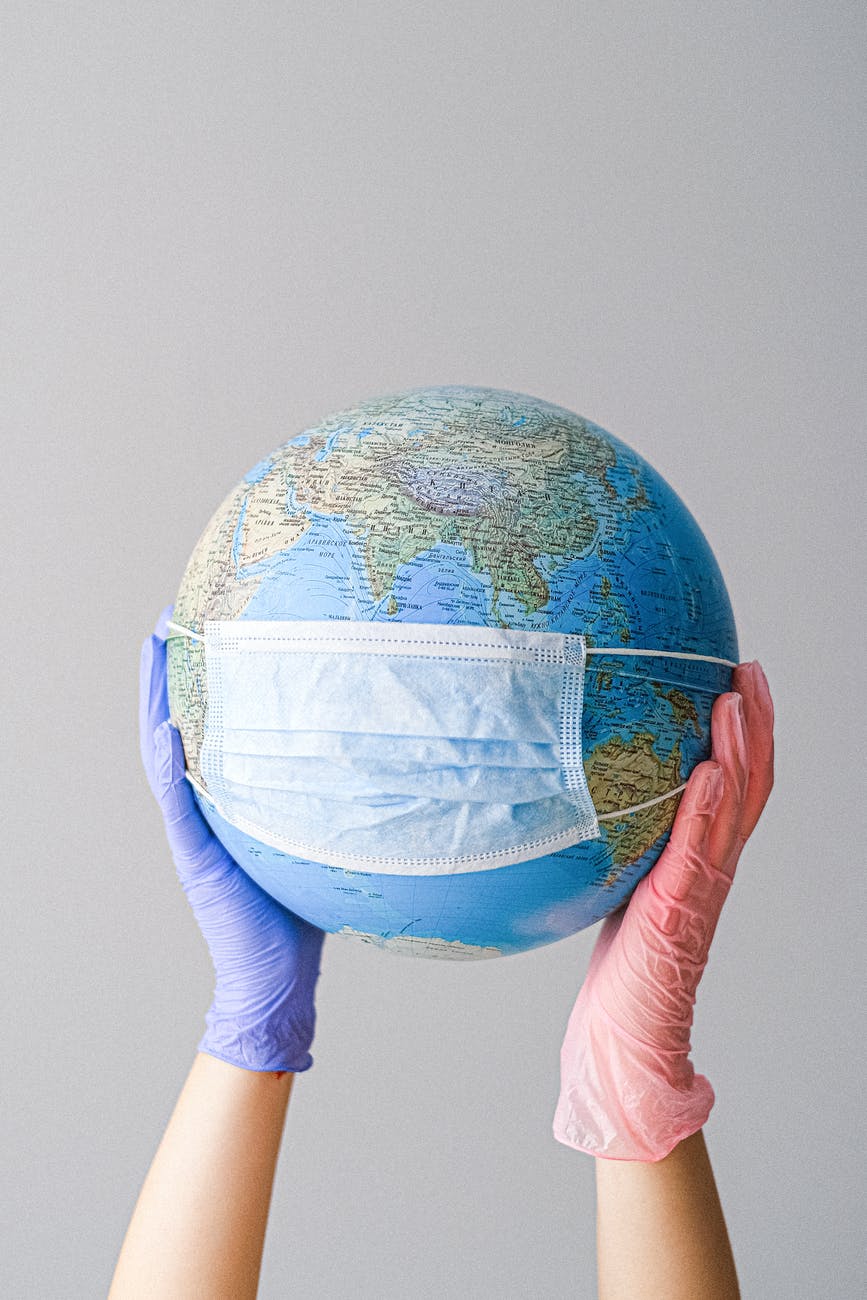
Mask-wearing once had more positive connotations (to the non-medical person).
Putting on a mask meant hanging with girlfriends (or boyfriends), slapping on soft, cold clay or colourful cream and letting it dry until you started cracking up. And just when you wanted to laugh or smile – your face would set like an ancient Roman bust, with a stray hair or two caught in the edges.
Putting on a mask meant having a crazy kids’ party, pinging the fine elastic near the ear to give your friend a sting, dancing and pretending you were someone (or something) else.
But now, for most, wearing a mask has become a symbol of stress and distress. It symbolises fear and control. We are reliant only on the eyes – there are no cues from mouths or faces. And if someone is wearing glasses (or worse, sunglasses) then the cues come in fragments.
Depending on the state of mind of the onlooker, the expression under the mask might be pursed, angry, sad or a grimace – or a smile, surprise, delight or passive. It’s easy to mispresent or be misrepresented.
We are re-learning the art of body language and it’s not always been clear or easy.
However, (and in an attempt to finish on a positive note) with the most recent mask-wearing comes a sense of understanding, a union of compromise and focus on fixing. A shared experience that, for the most, transcends.
 letterassembly.com