Can nostalgia look forward?

Photo by Pille Kirsi on Pexels.com

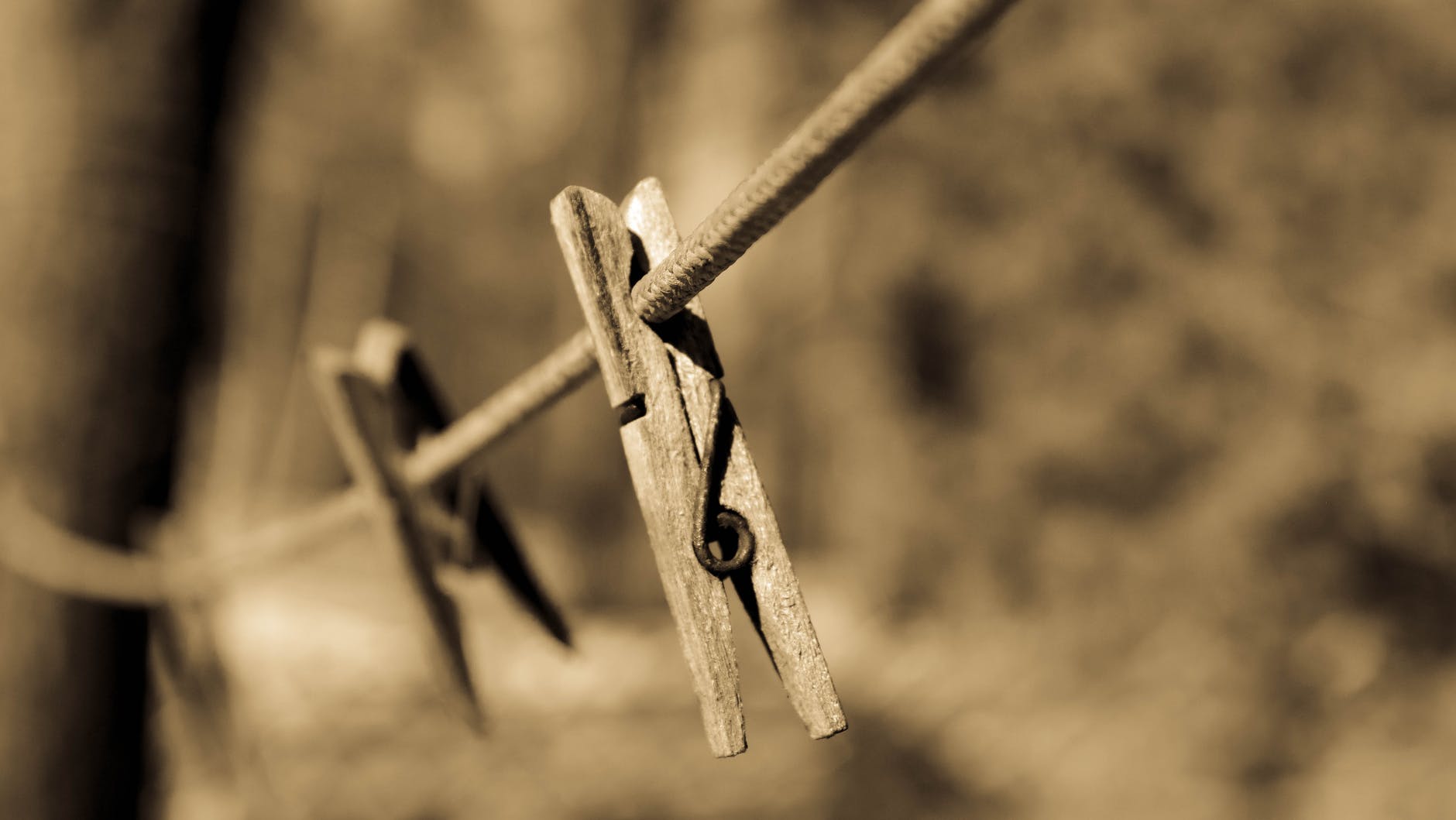
I’m in the process of purchasing a new clothes line. Just that word ‘clothes line’ conjures childhood memories of washing flapping in the breeze, swinging in circles on our backyard Hills Hoist. Nappies. Uniforms. And hundreds of pegs.

Our clothes line was permanently crooked. I don’t remember it any other way. Although my mum probably did – in those quietly organised days, pre-children. What became the lowest arm of our clothesline was the easiest to jump to and hang from. As we all got older and heavier, the circle of dirt, ploughed by dragging feet into Dad’s already struggling ‘lawn’, became more defined. Sibling toddlers and pre-schoolers would be attached and spun alongside undies and bras and faded t-shirts. Mum’s cries and fervent knocking on the kitchen window would go ignored. And eventually the line was abandoned for more thrilling play equipment, like that shaky hand-made ladder that reached to the uppermost branch of our huge gum tree.

The Hills Hoist went into production in Adelaide in the mid 1940s and has now reached ‘icon’ status throughout the country. It is officially listed as a National Treasure by the National Library of Australia.

But what happened to its place alongside the likes of the family Kingswood and orange-patterned wallpaper? Backyards became smaller (or in some cases, houses became bigger). In an environment where owning your own patch of soil became a mark of familial status, land became subdivided and the yard became a ‘garden’ or ‘courtyard’. Backyard entertaining, with a deck, BBQ and outdoor setting, and minus a view of hanging jocks and socks, became the fashion. Clothes dryers also prevailed and, with other white goods, were soon standard timesaving inventions to support a household’s busy weekend or lifestyle.

I remember, not so long ago, stumbling upon a discarded Hoist on a walk to my local supermarket. It was on a footpath alongside piles of pre-loved household items in readiness for hard rubbish collection. I wondered what had replaced the steel structure in their yard. When I walked past on my return, the majority of re-useable items had been salvaged by scavenging bargain hunters – except the historical object.

I know, I reminisce. Maybe it’s part of getting older. Maybe it’s part of sitting still and taking a moment. The word ‘nostalgia’ comes from the Greek word ‘nostos’ for homecoming and ‘algos’ for pain. And yes, there is a certain sadness for things that are no longer. But nostalgia is a shared memory. A connecting to place and remembered stories and happy times. It is looking back, but also informs our looking forward with hopefulness and a smile.

If you have a moment – take a look at this short BBC doco – BBC reel – The Benefits of Being Nostalgic.
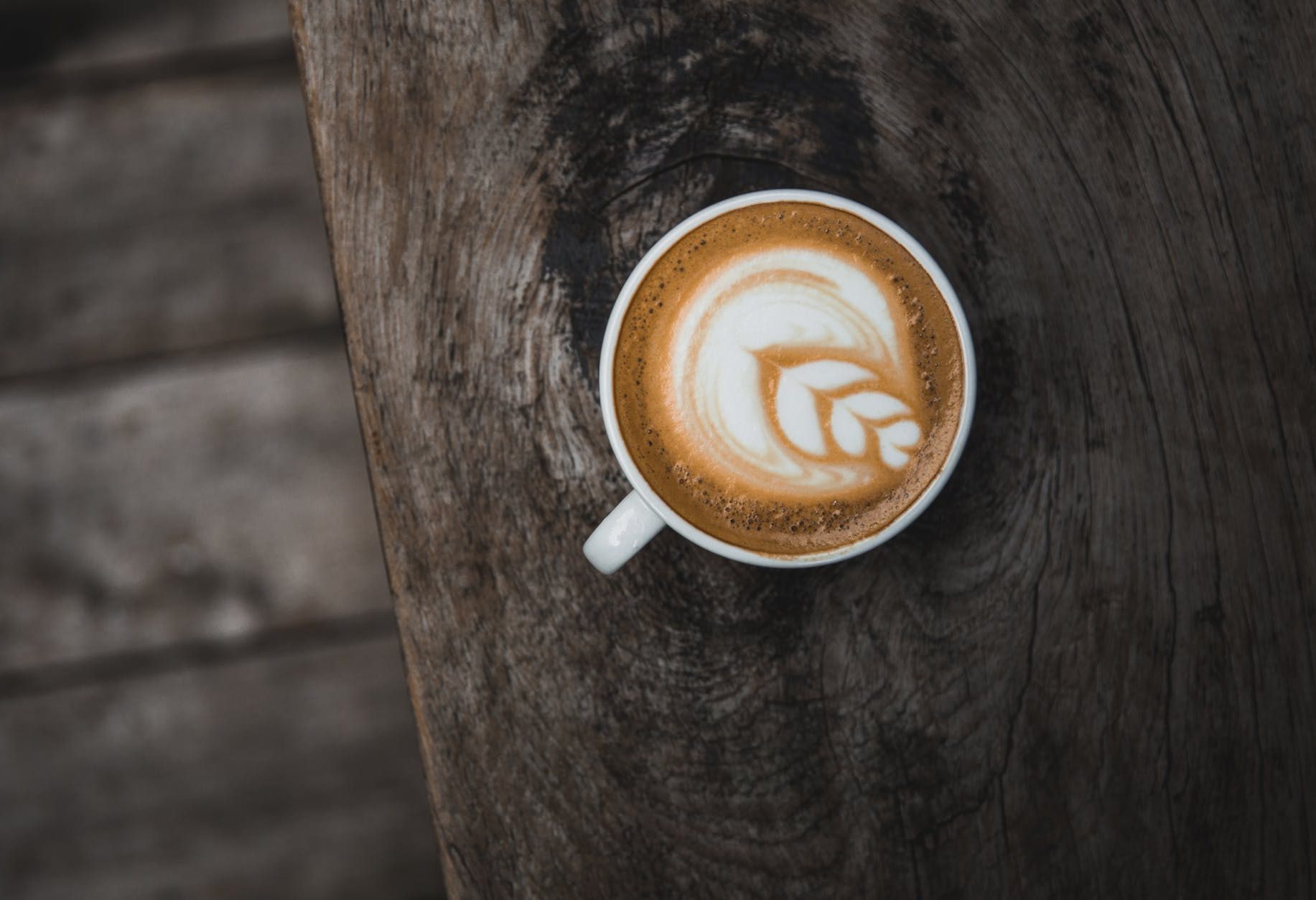
I think I just broke up with my coffee shop. Again.

Photo by Burst on Pexels.com

I’m a creature of habit. Love a morning routine that can roll out, even when I’m not fully awake. I’m also an addict. To coffee. Never is there a day that doesn’t start without some caffeine. (Actually, there was maybe one or two days in 1994…)

My first coffee is via a machine in my kitchen. Not the strongest or most delicious, but a small hit nevertheless. It’s the second coffee that really counts. I allow an extra ten minutes in my morning commute to drive to my local coffee shop to purchase one for the road. I’ve been going there daily (except the weekends) for a few years now. I don’t need to tell them what I want. My keep cup placed on the counter is the order. There’s a level of comfort and lack of judgement in our company. They’ve seen me at my worst – some mornings it’s hard to function – and my best. Looking good girl. I’ve been served by pregnant baristas and then later chatted about their babies milestones and birthdays. We’ve shared weekend tales and spoken about the crazy weather. Along with the filled cup is always a smile. They know my name and I know theirs. That ten minutes is vital to my day.

More importantly, for some people in lockdown who are only permitted to leave home to buy takeaway coffee (and not actually sit and enjoy the privilege), the barista is the only person they might physically speak to for a week, or more. Their presence provides some sense of normality and human connection.

However, now I’ve just left my job. And my commute. I don’t need to go in that direction, at that time, any more.

I haven’t the courage to tell my coffee shop either. It’s not you, it’s me. I’ll probably just disappear. Hopefully it won’t be awkward. When I get a new job, there will be a new commute and a new coffee shop. And like others in the past, I’ll probably break up with them too.

So, lovely coffee shop, thanks for the good times and the great coffee. Thanks for being a part of my day. I know we’ll see each other again. And hopefully, I’ll be forgiven for doing the breaking and moving on.

The most important reason to ride a bicycle.

Photo by Cristiana Raluca on Pexels.com

Well, you know a few reasons. Unless you live in an overcrowded city filled with pollution-inducing vehicles and smoke, it’s good for your lungs and legs and overall body goodness.

The Better Health Channel lists in great detail the benefits to the rider. It also lists ‘mental health’ somewhere near the bottom and I’d argue that this benefit should be number one on the list. THIS is the most important reason.

After over 25 years of not riding a bike (am I really that old?), I’ve taken it up again. Admittedly not as a daily habit or because I didn’t have any other transport, but because I was curious. Could I literally ‘get back on the bike again’? Was it just ‘as easy as riding a bike’? Turns out it was. But even better. With the wind in my hair (more like breeze on my cheeks – as the helmet hinders the hair experience) and gliding (more like too tired to pedal) through our local streets, I felt buoyed and excited.

On a bicycle, you live in the moment. Ever watchful and careful of your surroundings, the road/path, vehicles, pedestrians and unleashed dogs (or wandering kids), the rest of the stuff and gunk and concerns in your mind just go. I’m not sure where they go to, but they go (or at least pause). Riding a bicycle is an incredibly freeing pursuit and sits alongside meditation when it comes to mindfulness and being present.

So, sure, ride a bike because it’s good for your heart, muscles, co-ordination and reducing health problems, but most importantly, pedal your way to power (of the mind, that is). If you can’t buy one, then borrow one. If you don’t know how, then ask someone to teach you.

Go on. You can handle this.

How stain remover won’t change your life.

Photo by Rony Stephen Chowdhury on Pexels.com

I recently sought Google’s advice on removing a stain from our old sofa. It turns out that there are hundreds of opinions, truths and half truths about stain removal on the internet. It’s a thing. Stain removal.

How great it would be to apply some bi-carb mixture to your life or your mistakes. That ill-conceived and badly timed quip. That phone call made in the middle of the night because you thought that person felt the same as you. That clothing purchase that was going to change your look and attractiveness but never made it further than the bedroom mirror. That hair colour. That email that you forgot to proof for tone and intent before sending to ‘reply all’. That impatient snap that came out loud and angry. That extra slice (or slices) of cake and ice cream and cream (in the same bowl). That broken heirloom. That inability to listen when it really mattered.

But without stains, life isn’t really lived. Or learned.

Stains aren’t just mistakes or errors. They are stories. Capers. Moments where clarity and restraint were abandoned or parked. Or forgotten. They make us real.

Since when did messy, absent-minded, careless, spontaneous and thoughtless become negative words.

Not that you should go forth and throw red wine on your shagpile or tip your coffee onto that crisp linen tablecloth. Remember to go easy on yourself. Apologise, of course. Be remorseful, sure. Try not to do it again, yes.

Just be truthful and genuine.

(By the way, I tried a remedy on the sofa which worked OK. Until the next slip up, that is.)

The patience to grow a pineapple.

Photo by Pineapple Supply Co. on Pexels.com

I’m under no illusion that I’m a gardener. I enjoy tending, clipping, sorting and assembling plants, but their ability to grow and prosper under my watch is one of luck and nature’s enduring resilience.

I’ve tried, many times, to grow plants from seeds. Sadly, the whimpering wisp of a stalk soon turns to brown – either from too much or not enough water. One day someone told me how simple it was to grow a pineapple. Planting its cut top into the soil and waiting.

However, they didn’t tell me how long I’d have to wait.

Fortunately, the environment here is very conducive to growing tropical fruit – else it wouldn’t have been a consideration. So I did it. I cut the top off one pineapple, then another, then another. My garden was dotted with pineapple hair – like small heads peeking from the earth.

And I waited. And watched. For a short time.

I announced to friends that I was going to grow a pineapple. As though it legitimised my standing as a backyard gardener. Imagine my surprise and disappointment to learn that it might take 2-3 years (yes, years) for fruit to appear.

I would need to wait and watch.

There was no virtue in my patience. It got distracted with other shapes and colours that appeared in the garden. The tops faded into the background of the other tangled and enthusiastic tropical plants.

I’d like to think that patience is something I can call on – but it isn’t and wasn’t. I needed to school myself against instant gratification and rail against speaking first, then listening after. I soon realised that growing a pineapple was going to be more like a life lesson than something to brag about. Like other disciplines that require time, inner strength and calm, I too had found something that highlighted an aspiration. I too could find patience and in doing so, hope.

And hope is something that drives us all. (As well as something sweet and delicious to eat.)

Cheers to cheese

Photo by Anna Nekrashevich on Pexels.com

I love cheese. I really love cheese.

Members of my family do too. My nephew’s first word was uttered while we sat around the table together. ‘Cheese!’ Clapping and applauding him on his effort, his mum retrieved a golden block from the fridge and we celebrated his first understandable sound with slices all round.

Unfortunately, we misunderstood.

Later that day when we were again around the table, he lifted his plastic-lidded cup into the air and said ‘cheers!’ Which actually sounds a lot like cheese to excitable ears.

The cheese did taste good though.

I was gifted cheese for my birthday. Nothing unusual about that, you might think. Except I was allowed to choose how much and what from our local delicatessen. Freedom of choice and open-ended (within reason). My giver knows me too well.

I marched into the store, past exotic pastas, illustrious chocolates, truffle this and truffle that, to the back. To the cheese fridge. As I stood at the glass doors, peering in with anticipation and excitement, I started to shake. Like a puppy realising it’s about to be fed. Mouth watering and speechless, I gazed in wonder. This was my chance to go to another country with my tastebuds in the driver’s seat. And me sitting behind, wide-eyed and smiling.

I was awoken from my cheesy fantasy by the shop assistant. In fact, I physically jumped when she stood beside me offering assistance. I declined and waited instead for the different cheeses to call out to me from the fridge. I reached in and modestly chose four different wedges. In one swoop, I went to France, Holland, South Australia and Italy.

Then I left the shop with my new, well-travelled friends in tow. Homewards to devour and enjoy. Ah, the pleasure and simplicity of cheese.

Cheers.

The benefits of clutter.

Photo by Natu00e3 Romualdo on Pexels.com

I’m not talking about a cluttered mind. I’m referring to our attachment to material things. Our need to keep more and be rid of less.

It goes against everything the mindfulness, spiritual and living-in-the-moment movements purport.

More than ever before, we’re clinging to the past. Trinkets, photos, childhood and collected books, wrong-sized clothing, unfinished and needing-to-be-repaired (but never quite) items that distract, and more importantly, remind us that things were different and most often better. Then.

Sparsity is akin to boredom. An event without a personality or layers. Clutter is rich, playful, disorganised, and keeps us occupied and hopeful.

So, I’m going to cross ‘sort out the pantry and linen cupboard’ off my to do list and write ‘read the first ten pages of every book on the shelves’, ‘colour-code the towels and linen’ and ‘make crazy meals from the odd (almost-forgotten, pushed to the back) food stuffs in the pantry.’

Enjoy your clutter and have some fun!

You are what you meet.

Photo by Belle Co on Pexels.com

We are innately social beings. We need one another to survive and thrive – even in this crazy world of lockdowns and social-distancing. And it’s the people you meet along the planned and unplanned pathway of life who impact you the most.

Yes, there are insightful and charismatic leaders, those shifting and challenging the paradigms from afar, literature that inspires, BUT those directly in your sphere are the ones who shape your world and ultimately you. This touches, of course, on the long-standing nature vs nurture debate, but I want to extend it further to peers, colleagues and friends.

Friends come and go, and sometimes stay. Each are a reflection of your values, questions, experiences and making sense of your world and environment. They listen, correct, reassure, inform, push and prod – and you do the same for them. As fixed as you might think you are with your choices and ideas, their very presence expands you (in small and sometimes major ways). The impact they have on who and what you are is immeasurable.

So, reach out, be open, use your instincts (learnt or inbuilt), and select wisely, because you are what you meet (and then hang out with).

The unexpected side effect of getting vaccinated.

Photo by Pixabay on Pexels.com

I recently had my first vaccination against COVID-19. I, along with many many others around the world.

The lead up to my appointment was like the lead up to election day. And as it drew close I felt more and more excited, bound to the community, like I was making a conscious decision that my jab counted. I expected to feel the same emotion as I do when posting that piece of folded paper into the box. A sense of excitement, freedom and privilege.

But I didn’t.

Instead I felt an overwhelming sadness. The gentle, caring medical professional asked many questions about my health, medical reactions to things and medical history. Then she proceeded to inform me about what was about to happen to my body. In quiet and positive tones, she went through the list of what I might and could expect after having the vaccination. Instead of euphoria, I felt a sense of dread. Like I was about to step into a spaceship with all the anticipation that the preparation encourages, and then someone turning to me and telling me that I might not return. Everything she said to me in the clinic I had already read and researched. But still. That sense of dread didn’t manifest into fear or anxiety. It became sadness.

I cried a little on the way home. And I can’t quite put my finger on why exactly. Not regret, not despair, not worry. Just a sadness that I can only attach to the changes that the community is experiencing, the uncertainty about our future, and the inability to know exactly what is happening around us.

And yet I will tell everyone I know that they should seriously consider getting vaccinated. That it’s for them, those close by, those far away and the greater good. I’ll tell everyone that it was painless and that I was treated with respect and kindness. I’ll tell everyone that it’s their duty. Like voting.

There will always be the ‘donkey-voters’ just as there will be the naysayers to vaccinations. And that’s ok.

I’m just not sure that I’ll tell them about my unexpected side effect.

What happens after unsung heroes are sung?

Photo by Kulbir on Pexels.com

Do they stop being important? Can they continue to be sung?

It’s occurred to me that there are many unsung heroes, but that once they’ve received recognition, they tend to fall away from our attention spans and our radars – even though they are the type of people who will continue to go on and do good things.

So let’s remember them, again and again. And celebrate their ongoing good deeds and spirit. They are no less deserved, just because they’ve received one pat on the back.

Good people should be put on a pedestal or have a spotlight shone on them many times (whether they want to or not). Our community needs to respect, learn and bring them close. Their example is the standard for our next generation (and current generation).

So, warm up your vocals, take a sip of soothing tea, gargle some calming fluid and sing AGAIN loud and proud for our heroes, positive leaders, and kind and selfless companions who have already been recognised, but need our ongoing thanks.

Thank you sung heroes (and sorry that I’m a little out of tune and off-key)!