Why I’m grateful for weeds

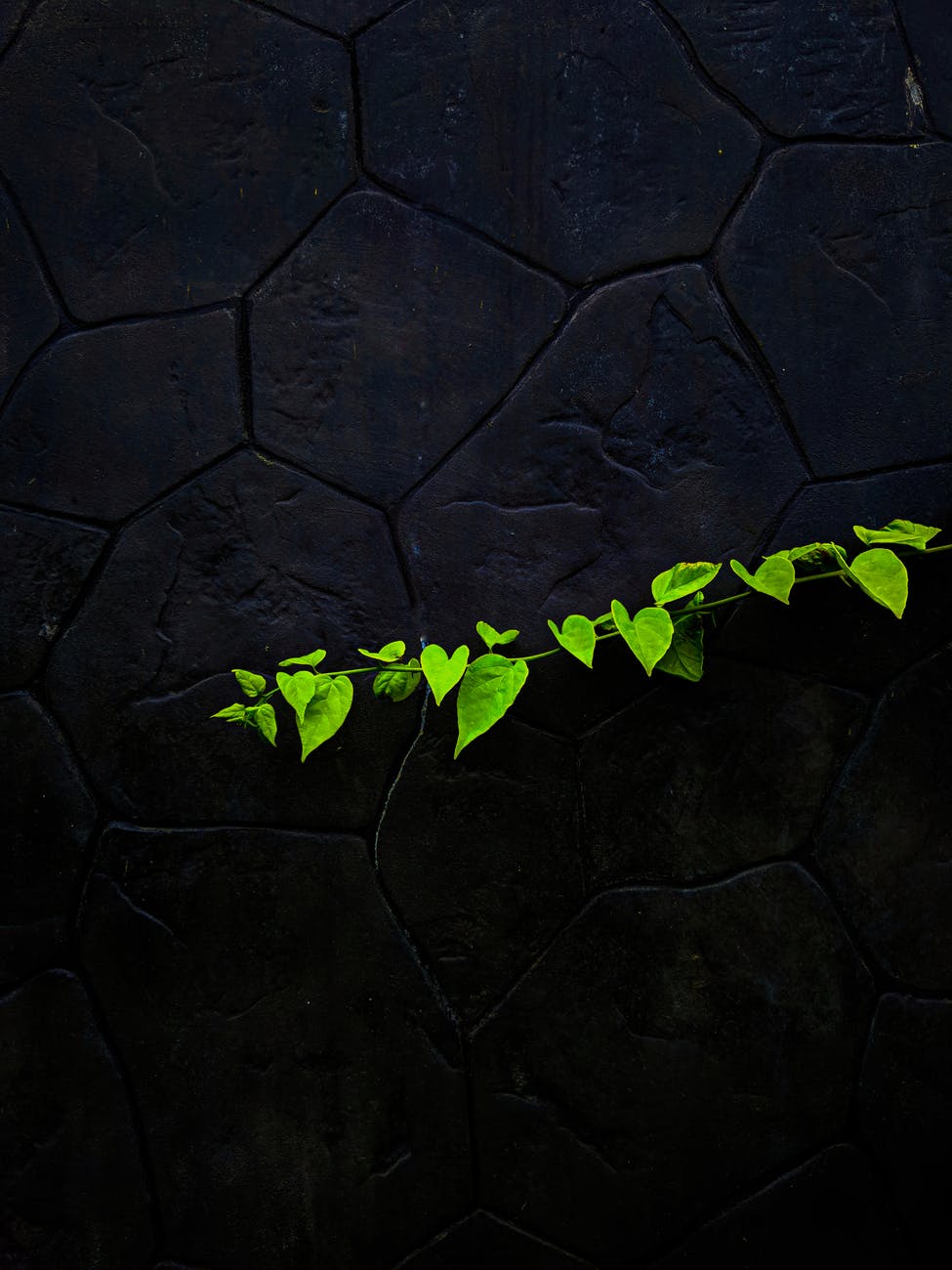
Photo by Albin Biju on Pexels.com

That’s weeds with an ‘s’. I’m talking about those plants that have indestructible root systems that defy gravity, obstacle and soil type. Those pesky living organisms that were never chosen or placed in the garden, but join the party as crashers that stay long after the invited guests have gone home. And they keep returning. Sneakily appearing in cracks, against fences, under rose bushes, through stones and between vegetables. I put off weeding until I can’t. Bear it, that is. The garden starts to look untidy and unkempt and I’m too house-proud to let them win.

I read somewhere that vinegar, salt and dishwashing liquid mixed together make a deadly home remedy for weed kill. I’m slightly disturbed because salt and vinegar are my favourite flavoured chips, but then I don’t usually digest them with dishwashing liquid, so I guess the concoction is ok.

Despite all of this, I’m grateful for them. I’m thankful that I have a garden and space for them to grow. I’m thankful that there’s rain and sunshine which keeps them alive. I’m glad that the soil is good. That I’ve other plants for them to annoy. I’m thankful for the physical activity of weeding (I’m not really, my back is killing me now after this morning’s unplugging of these irritating plants). I’m grateful for all of this that eludes others, that others might wish or strive for.

One’s weed is another’s garden plant, I discovered. When I lived in London, many years ago, I resided in a share-house with a tiny courtyard at the back. The sun shone in that courtyard for a small number of days and the rain filled it for the remaining days in the year. We bought pots and grew herbs. We put chairs out there. Had the odd party. And the weeds joined too. I spent one morning, alone, pulling them out of garden beds and the edges of paving stones. Ripping larger ones from the back fence, until my English housemate returned home and with horror looked upon my labours. It turns out that what we call weeds in Australia are locals in the UK. Oops.

Don’t be mistaken, I’m not celebrating weeds. Life would be much easier without them. But it’s what they represent that I’m grateful for. A fortunate life.

I wish others the opportunity to pull them out too.
My sneaky lunchtime activity

Photo by Brett Sayles on Pexels.com

I’ve recently started a new job – working from home. Interesting how my new location has completely changed my approach and perspective. The kitchen table, my desk. The mustard kitchen cupboard doors, my office. The shaky louvre windows, my air conditioning. The fridge, my office break area. I’m inspired, not just by my surroundings but mostly the timing of things.

I’ve replaced my morning commute with faffing about in my dressing gown. Lingering over coffee, sometimes outside whilst birds swoop energetically between bushes and trees. Reading the paper online, headlines mostly, a casual flick.

Lunchtime is something to look forward to. I step away from my table/desk, into the office break area and wrap last night’s leftovers, or something savoury, in a piece of flat bread. Then I move outside to sit on our creaky deck, under dappled light and the distant sound of a lawnmower, somewhere. I leave myself a sneaky ten minutes before I need to get back to my laptop.

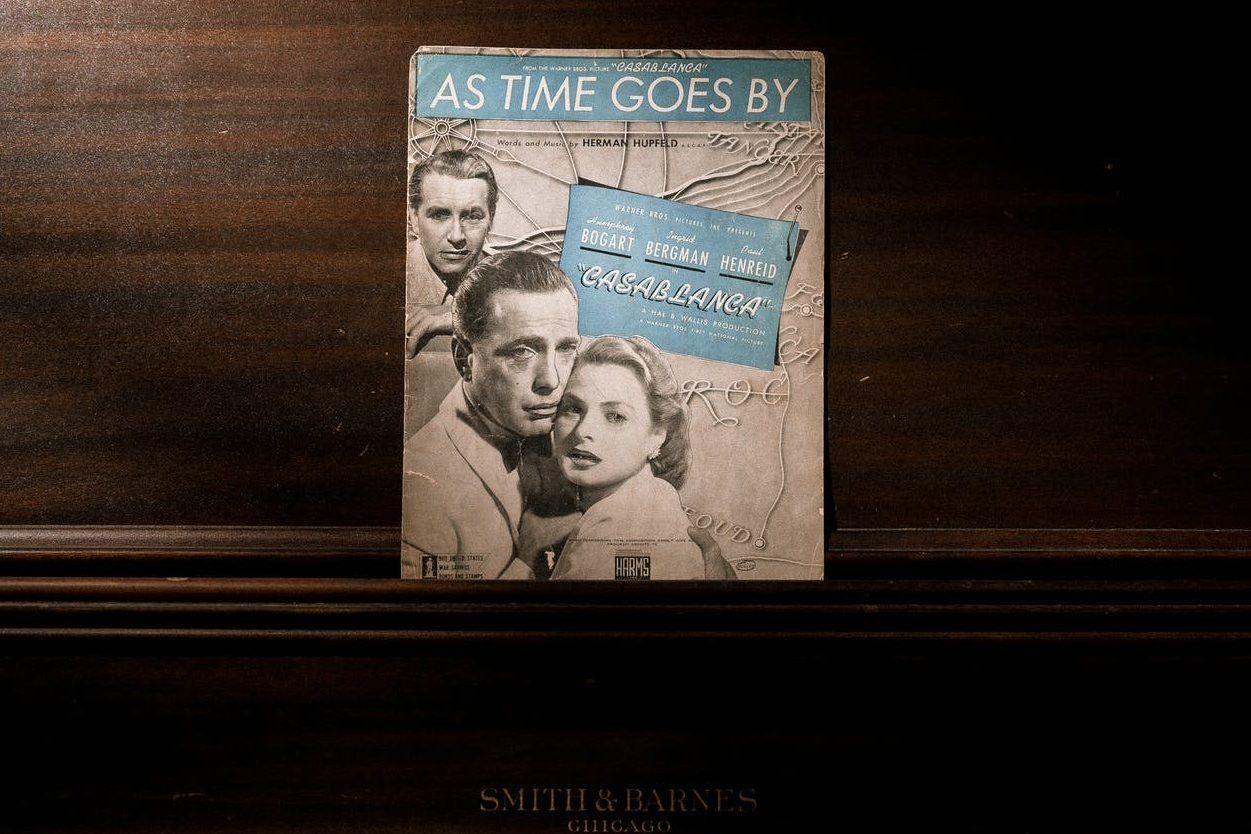
Back inside. My old piano. She’s smaller now – or is it that I’m bigger than I was when I attended regular lessons after primary school. She’s a little out of tune – but sounds fine to my ears. I’m trying to learn a couple of songs that I transcribed from the internet. Chords that slowly come together. A drawn out, slow-mo version of the real thing. And for ten minutes, I’m completely there. Riding on the notes, finger fumbles, and the sound from within the beautiful wooden exterior. It’s a different language. A different part of my brain. Almost meditative.

Then I close her lid, push in the stool and return to my office.

Lunch break finished.

It’s not what you do, it’s how you do it.

Photo from Pexels.com

Disregard the ‘what do you do’, the verbs that give motion to your life, the actions you make when no one’s watching. Focus on the how, the adverbs, the way in which you embrace or abandon. That’s the thing.

Sweeping never looked so good as when it was done with a flourish, enthusiastically, emphatically, depressingly, carefully, sadly. It’s not just sweeping. It has a way about it. Injected with feeling and expression. The same can be said about anything you do. Whether intentional or not.

The way you do it says more about you and the place you find yourself in that moment, than anything else. Yes, actions do speak louder than words, but the way those actions manifest, turns up the volume. The place from which they come finds its outlet in style.

This is what makes us interesting. The complicated, nuanced, overt, accentuated, underlined, subtle way we act and behave is the fabric and colour of life.

Not just the what, but the how.

You might teach, garden, manage, clean, paint, upholster, serve, sell, negotiate, wait, write, plan – and that’s fine, but how do you do this? Gently, calmly, aggressively, exhaustingly, lovingly, methodically, carelessly….

That’s what defines. That’s what keeps things interesting.

What’s your how right now?

Resolutions? Who cares.

Photo by Pixabay on Pexels.com

Possibly the gyms, diet programs, alcohol vendors and fast food outlets. But do you?

Resolutions suggest planning and goal-setting. Given lately that any plans are quickly thrown out the window, into the proverbial wastepaper basket or recycling bin – maybe this is just not possible. Changes have been thrown down, sometimes tentatively, and other times with force – way beyond our control or choosing. Let’s not look too far ahead.

Resolutions suggest that something needs fixing, that it’s not as good as it could be. Why be so hard on yourself? That mirror might need cleaning but it doesn’t need replacing.

Resolutions suggest that we’ve reached a significant point or milestone. And yes, it is a new year with new numbers and birthdays – but it is truly just another day. The sun rose this morning like it has done for almost forever. You opened your eyes after a long slumber or a short nap, a fitful rest or a shut-eye on someone’s spare couch. People are sending messages about the new year, mostly with the word ‘Happy’ in front. It keeps us regular, paced and focused, this counting of days that we do. But do we need to add more complications by creating resolutions that are mostly impossible to follow-through?

How about just giving a smile to someone near, taking it easy, being mindful in our waking hours and preparing for our non-waking downtime?

And wait, here’s another thought. What if you rephrased your planning and goal-setting to be about someone else? A ‘reaching-out resolution’ or ‘caring commitment’ or ‘passionate pledge’ instead. There are numerous organisations that quietly pull individuals close and offer kindness and support. Seek them out. Do what you can. This ‘new year’ will be better because of your actions.

Resolutions. Who cares? Maybe you should.

The tears that bind us.

Photo by NEOSiAM 2021 on Pexels.com

What is it that makes us human? Blood, sweat, tears? Kindness, emotion, logic? All of that and more, of course.

Most recently, for me, it’s been tears that have connected and defined. Tears of grief as we struggle with death, sickness and the overwhelming nature of pandemic measures and fear. Tears of happiness and relief as we acknowledge old friends and kindness from strangers. Tears of joy as we embrace, again, those from afar. Tears of hilarity at the nonsense and craziness of people who are a part of our lives. Tears of sadness as distance separates.

I attended a 50th birthday party recently. A gathering of old friends from childhood. Speeches were brief and informal, but deeply felt and acknowledged. And when the tough exterior of bravado amongst mates was opened to reveal sentiment and gratefulness (and tears), those in the room were reminded of the importance of that bond and time rapidly passing.

Is it age that brings tears more easily? Maybe. But maybe it’s also something else. Not so long ago, I farewelled dear friends as I packed my belongings for a new place (a long way away). There were some tears, a lot of hugs and mostly smiles. And later, when I walked onto the tarmac, alone, towards the plane, I quietly sobbed. My choice, this move. As excited as I was, I also didn’t have the words to express the sadness that comes with change and saying goodbye.

Hugs connect us, laughter too. Empathy and kindness most certainly. Shared sadness as well.

But I think tears bind us in a way that truly makes us human. With or without words.

What did you say?

Photo by Magda Ehlers on Pexels.com

I’ve been doing a lot of listening lately, listening in webinars, listening in online meetings, listening as colleagues talk and listening to the sounds of my new location.

When I’m part of a conversation, my instinct is to jump in and contribute with a funny quip, story or reflection – sometimes butting in with excitement, lest the conversation head into another direction before I’ve planted my message or story. I’m always anticipating, second-guessing and not taking the time.

There’s that famous quote about how we mostly listen in order to reply, rather than listen to understand.

I’m trying to understand and I’m learning.

Listening, of course, is a fundamental way to learn. It is the very core of who we are and where we’ve come from. It is the passing down of knowledge and culture.

Since we started making baby noises, however, we’ve been encouraged to speak. Speak your mind! Speak the truth! Speak up! But what about hearing the truth and listening to your mind. Allowing the space between thoughts and respecting the time it takes someone to answer or complete their offering.

I caught up with a friend not long ago. They are great at listening. And I always find myself talking way too much and disclosing way too much. It’s a skill I’d love to master. The listening bit, I mean.

I’m trying and I’m learning.

I want to be that friend, colleague or person who values the communication of others, allowing them to articulate and express, and respecting the silence between thoughts.

Just by listening.

Let the walls speak.

Photo by Zaksheuskaya on Pexels.com

I don’t mean, if only the walls could speak – what would they say. That’s a different topic entirely.

I’m talking about artwork, photos, things we attach vertically in the spaces we live. Posters in teenage bedrooms, a calendar in the toilet, paintings and art acquired on travels to far-flung and not so far-flung places, awkwardly-posed photos and randomly spontaneous ones, kids kinder drawings flapping on the fridge door, wooden carvings, and framed fabric. Walls and doors (and sometimes windows, floors and ceilings) were made for art.

But why do we do it? What’s the merit? Beauty? Memories? Setting the tone? Mood enhancement? Investment? Sentimentality? Peer pressure? Real Estate value? All of this and more.

One Washington art collector has said that art in the home ‘provides accents, invokes emotion and adds clarity’.

Reasons differ as much as style. And when people are co-habiting, styles are either going to clash or blend. Without sending all of your partner’s art to the shed, compromise with décor is akin to compromise across the whole relationship. Or just maybe, you’ve got the design-power in your house and the job falls on you to enhance the verticals. Or maybe, none of you have any idea (or confidence). There’s a reason that interior design is a burgeoning industry.

Those purporting or supporting minimalist ideals still have room for art, colour and expression in their houses. Although I’m not sure I’ve seen stuff stuck on fridges or blue-tacked to walls in such places (at least, not on their Instagram).

We’re unlucky (or should I say, lucky), like one of my friends, to have a lot of windows – which means that while we don’t have as much hanging space, we do have fantastic light, greenery and sky as a backdrop. Our choices for the remaining walls and spaces are about story-telling, beauty and colour. The story-telling may not always be from the artist, but in our re-telling as to how it came to be here, or our own insights, or a combination of all.

You probably already know the adage, choose what you like and the value will come from that. (Unless of course you are a legitimate art-collector). So, don’t worry about what others will say or might think. Select well. Change it regularly if you want (particularly the fridge art, because there’s probably more of that to come). Talk about it.

And let the walls speak.

It starts with a coo.

Photo by Sebastian Su00f8rensen on Pexels.com

The newest edition to our extended family has started cooing. He’s just over two months old. Right on track, according to the baby development guidelines. (We’ve already high aspirations for other milestones).

Sounds like a happy pigeon, his mother says. And fortuitously, pigeons are considered lucky messengers in some cultures. I’m waiting to see what happy message he might bring to our family.

Baby research points to cooing being an integral part of a child’s self-awareness and the beginning of language. It’s said that a coo may be a response to a parent’s gaze and connection, or the sound of contentment, or even an attempt at speech.

I feel privileged to be right at this pivotal moment in our little one’s existence when he is about to embark on a life’s journey of language and communication. I think about the joys, the missteps, the mistakes, the power, the sadness and the thrill that language can impart. Language as a weapon, the language of love, seduction, meanness, entrapment, captivation, gentleness, callousness, protest or peace-making. Language to communicate complex thoughts or simple ideas.

And this little one is right at the very start of all that, making coos with his mouth and his voice.

I wish for him all manner of language, bound to strength and humility, kindness and truth. The ability to fight with wit, and balance with humour, as well as to use his sound as an expression of identity and individuality.

I can’t wait to listen.

5 ways to bring spontaneity back.

Photo by Sheena Wood on Pexels.com

You’re stuck. Tired. Can’t be bothered.

Remember when we used to pop in to friends’ houses? Unannounced. No setting up the meeting via text message. No ten minute SMS warning. ‘I’m on my way!’ We’d just turn up and maybe take a chance that they weren’t home.

Spontaneity is about taking risks. It might not eventuate quite as you’d thought, but you’re open to possibility. Being spontaneous doesn’t have to mean upheaval, it can instead be a pleasant surprise or a portal to something fresh and new. An injection of positivity.

Here are 5 ways you can bring it back into your life (there are many more ways, of course – but this is a start).

  • Do the opposite of what you’ve planned.

So you’ve got the day or the next couple of hours mapped out. We’re programmed as humans to organise, set aside time, look forward with tasks and activities to achieve. Don’t do any of this. Go in the opposite direction. Instead of hanging out the clothes, read the next chapter of that book that’s been hovering. Instead of eating dinner in front of the TV, set the table with candles and delicious crockery to display your midweek bangers and mash. Goodbye plans.

  • Call someone from your long list of phone contacts.

You’ve probably got numbers saved on your mobile phone that you haven’t called in ages. Old work colleagues, second cousins, friends that have floated away (for no other reason than life sometimes works that way), your daughter’s friend’s mother, an old neighbour and more. Choose one of them. Call them. Remake a connection or as a once off. Leave a message. Just because.

  • Do something you don’t want to do.

I don’t mean something dangerous or life threatening. Just a thing you’ve been putting off because it’s tedious, dull, too energetic, requires you to have a difficult conversation or face a situation you’ve been trying to avoid. Go on. Take a deep breath.

  • Cook something new – now.

What’s hiding in the back of the pantry? Throw together a few things and prepare a meal (or snack). Find a recipe online or create your own. Try something you’ve never cooked or put together before. Your household might thank you (or then again maybe they won’t) and you might find you’re actually more accomplished in the kitchen than you thought.

  • Wear something fancy that you’ve been saving for a special occasion.

Following along the lines of the ‘putting the bin out in your finery’ movement, this is extending it further to anything you’re doing. Shopping, laundry, walking around the park, or flicking through your cookbook. You don’t need to take a photo or post it, let it be just for the moment (and a startling one at that for those watching). You’ll be surprised at how you feel.

Of course, this non-exhaustive list is a case of ‘do what I say and not what I do’.

But this time, I might just take my own advice.

Make space for the view.

Photo by Evelina Zhu on Pexels.com

We used to (jokingly) say, “If we poisoned our neighbour’s trees, we’d have the best view in town!” Of course, it was never our intention, but we did think about asking them to remove those upper branches.

Maybe there are branches or trees that obstruct your view. Those branches might have been there for a long time. You’re so accustomed to them that the scene no longer matters, or it’s not a considered option. Looking inwards is something that happens more often than not. Maybe those leafy trees are a recent addition. They are lovely to look at anyway. Who needs a view? Or just maybe those branches are starting to annoy you. Dropping leaves where they aren’t wanted, creating a mess in your garden, blocking the afternoon breeze.

A view represents inspiration, dreaming, looking afar and forward, casting your eyes (and thoughts) beyond the present. A view provides perspective and an opportunity to take a moment of stillness. Even if the view isn’t really a view. (I’m not speaking of that uncomfortable outlook from your balcony into your neighbour’s bathroom.)

What would it be like if you trimmed the tops of the trees, or set aside some time, or focused on possibility and looked outwards and onwards to the view? There’s much to be gained. Of course, it doesn’t simplify things or fix issues, but it might provide solutions, clarity and calm. It will remind you that life stretches beyond the now. And maybe the afternoon breeze will refresh and reinvigorate.

So, take those shears in hand and cut back some of those branches. Be confident. Do it today.

(And if it really doesn’t work, they will eventually grow back.)